The Benefits of Cold Therapy for Inflammation
Cold therapy might be the key to reducing inflammation, boosting your immune system, and finding mental clarity. The research, the protocol, and what to expect your first time in.
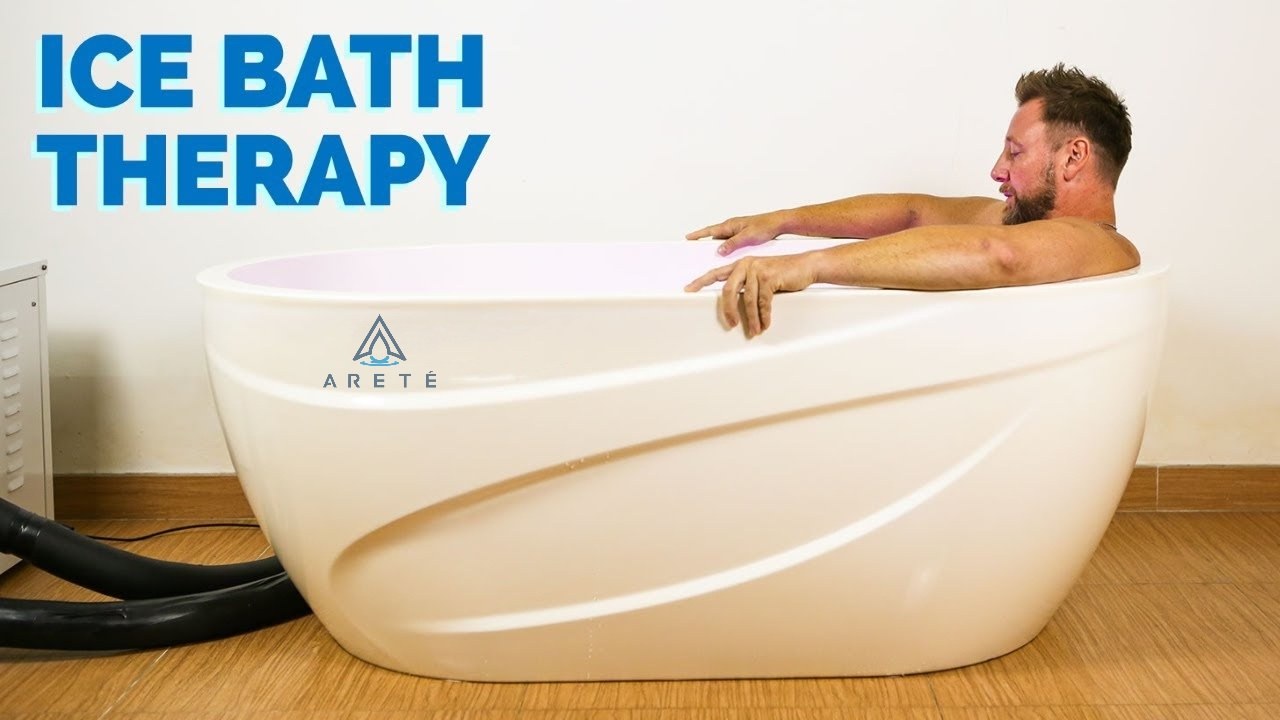
The cold plunge has gone from fringe practice to standard recovery tool, and there's a reason: the data on cold exposure for inflammation, recovery, and mood is unusually strong for something so simple. If you've been curious, or skeptical, here is what the research actually says, what a session feels like, and how to start without overdoing it.
What "cold therapy" actually is
Cold therapy (or cold-water immersion, cold plunging, or an ice bath) is the deliberate, time-limited exposure of the body to cold water. At Areté our plunge runs around 51°F. The exposure is short, typically two to five minutes, and the effects come from the body's response to the cold, not the cold itself.
How cold therapy reduces inflammation
Inflammation is the body's repair response. Acute inflammation is essential, it's how tissue heals. Chronic, low-grade inflammation is the problem: it's the slow background hum behind joint pain, fatigue, poor sleep, and a long list of metabolic conditions.
Cold exposure constricts blood vessels at the skin and extremities, shifts circulation toward the core, and reduces the swelling and metabolic byproducts that accumulate after hard training or a stressful week. When you exit the plunge and your body rewarms, vessels reopen and fresh, oxygenated blood flushes back through the tissue. The net effect, repeated over weeks: less soreness, faster recovery, and lower baseline inflammatory markers.
Immune support, on a measurable level
A landmark PLOS ONE study of nearly 3,000 people found that those who finished their daily shower with a 30–90 second cold rinse logged 29% fewer sick days. Other research on regular cold-water swimmers shows higher levels of circulating leukocytes and improved markers of immune activity. The mechanism appears to be hormetic, a small, repeated stress that the immune system adapts to and gets sharper at handling.
Mental clarity and mood
This is the benefit most first-timers don't expect. A 2000 study published in the European Journal of Applied Physiology measured a 250% increase in dopamine and a 530% increase in norepinephrine after a brief cold immersion, and crucially, those elevations stayed elevated for hours. That's why people report a long, clean lift after a plunge that doesn't crash the way coffee does.
The cold makes the rest of the day feel manageable. Whatever was overwhelming at 8 a.m. is just… a list of things to do at 9.
Other benefits worth knowing
- Brown fat activation. Cold exposure recruits brown adipose tissue, which burns calories to generate heat. Modest contributor to metabolic flexibility.
- Better sleep. Members consistently report deeper sleep on plunge days. The norepinephrine and adrenaline spike resolves into a parasympathetic dip a few hours later.
- Resilience training. Voluntarily holding still in a difficult sensation for two minutes is a real practice. Most people find it bleeds into how they handle other stress.
A starter protocol
You don't need much to begin, just a willingness to stop overthinking it.
- Time: Aim for 11 minutes of total cold exposure per week, broken across 2–4 sessions. That's the rough threshold cited by Dr. Susanna Søberg's research.
- Temperature: 45–55°F is plenty cold for adaptation. Colder is not better.
- Breath: Long exhales. The first 30 seconds will scream at you to gasp, don't. Slow nasal breath in, longer exhale out.
- Don't dress it up: Get in, stay still, get out. The water does the work.
- Rewarm naturally if your goal is metabolic adaptation. Skip the immediate hot shower and let the body do it.
Who should be cautious
Cold immersion is a real cardiovascular stressor. If you have high blood pressure, a heart condition, are pregnant, or are managing a chronic illness, talk to your doctor first. Never plunge alone in deep water. And if you're new, start with a cold-finish shower for a week before stepping into a tub.
What your first session at Areté looks like
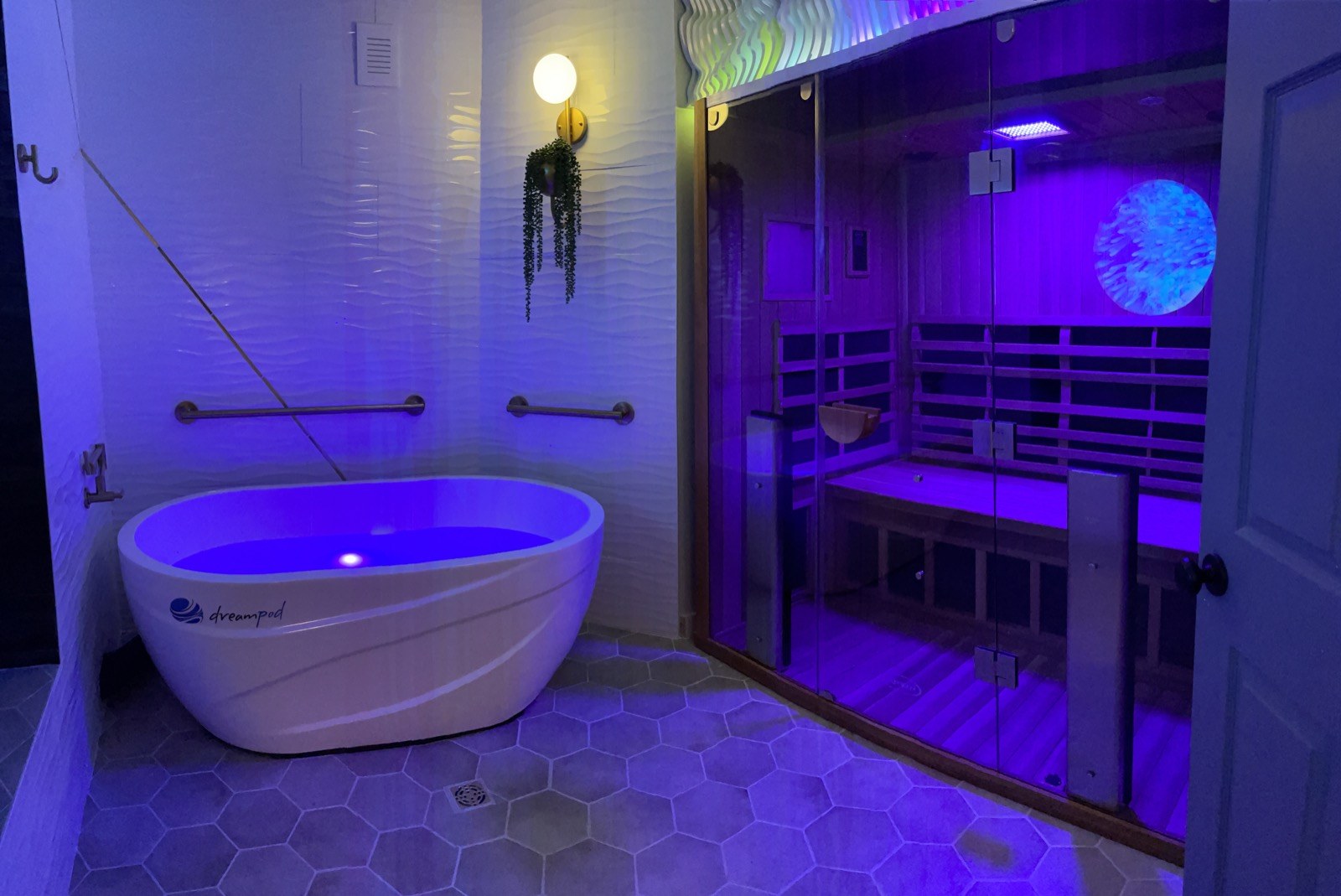
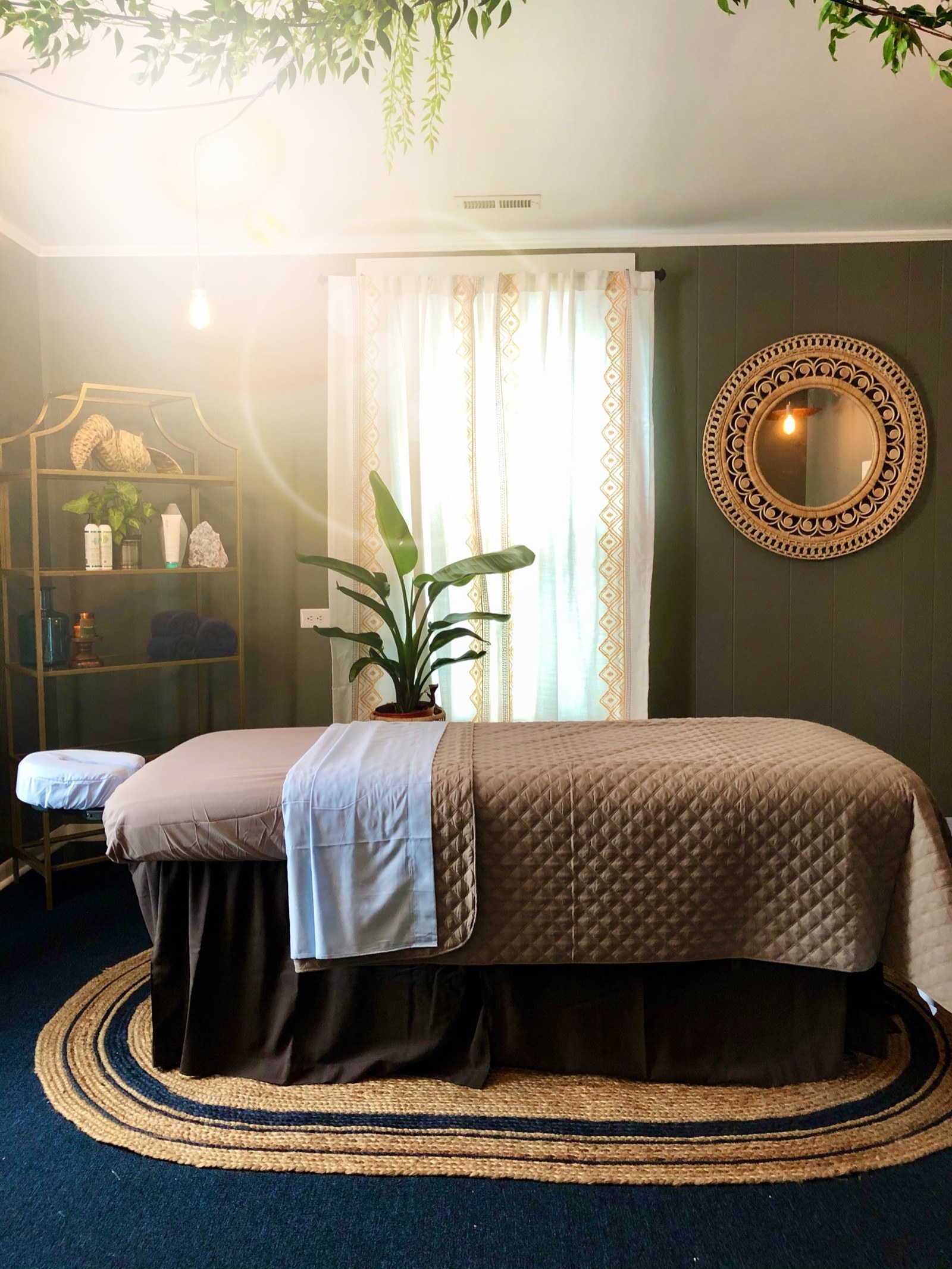
You'll change in a private room, walk a few steps to the plunge, and one of us will walk you through it. Most first-timers do two minutes, exit, sit in the cedar sauna for ten, and repeat. The whole session is about 45 minutes including the welcome and warm-down. People are surprised by how good they feel walking back out into Weaver Street.
If you want to layer the cold with heat in the same visit, see our piece on contrast therapy, most members do the two together.