How Contrast Therapy Boosts Health and Recovery
Contrast therapy basics, how alternating between a cold plunge and a sauna trains your nervous system, drives circulation, and quietly resets your day.
In recent years, contrast water therapy has surged in popularity among athletes, wellness enthusiasts, and anyone seeking effective recovery methods. By alternating between hot and cold water exposure, this therapy claims to improve health and accelerate recovery. In this post we'll walk through what contrast therapy actually is, how the benefits stack up, what it can (and can't) do for weight loss, and how to fit it into a real life.
Understanding contrast therapy
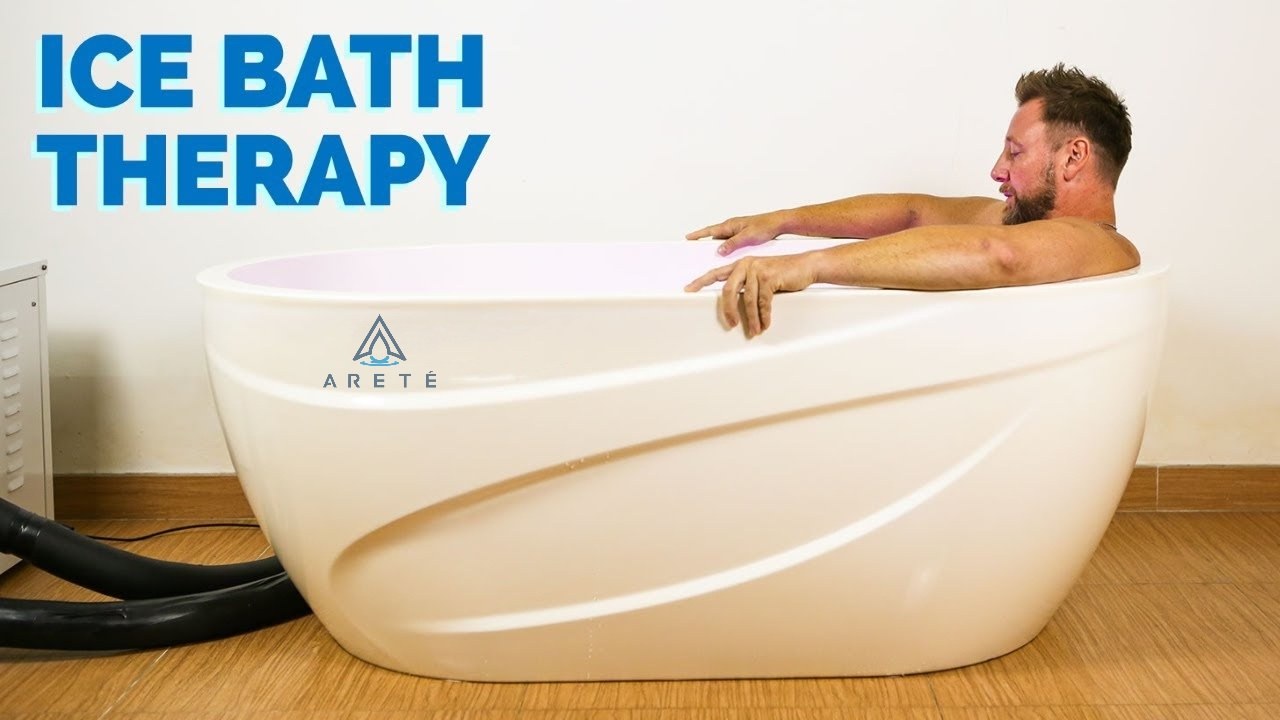
Contrast water therapy is the systematic exposure to hot and cold temperatures, performed in everything from professional sports facilities to clinics to a clawfoot tub at home, alternating between hot baths, saunas, or steam rooms and cold baths or ice. The practice is centuries old and shows up in cultures around the world.
The mechanism is simple. Cold causes blood vessels to constrict, reducing peripheral circulation. Heat dilates them, increasing it. Cycling between the two acts like a pump for the cardiovascular and lymphatic systems, a quiet, repeated stress that the body adapts to and gets better at.
How contrast therapy benefits your health
Faster recovery from training
For athletes and anyone who lifts, runs, or chases kids around, recovery is where progress actually happens. Contrast therapy can speed up muscle recovery after sessions. A study in the Journal of Athletic Training showed that athletes using contrast sessions after intense exercise reported less muscle soreness than those using ice baths alone. The temperature swings flush metabolic waste, lactate, hydrogen ions, from working tissue and bring oxygen back in.
Improved circulation and lymphatic drainage
Regular contrast sessions are essentially a circulation workout. Heat delivers more oxygen and nutrients to organs and muscle. Cold drives lymphatic drainage, helping clear waste. The combined effect over weeks shows up as better baseline energy, faster warm-up, and less of that mid-afternoon fog.
Immune system support
Hot/cold cycling appears to nudge the immune system in a useful direction. A paper in Medical Hypotheses noted that cold exposure can increase white-blood-cell production. Pair that with the parasympathetic calm of a hot session and you have a balanced, regulated nervous-system state, which is the soil immunity actually grows in.
Does contrast therapy help you lose weight?
The honest answer: not on its own. But it can support a weight-loss effort that's already working. Cold exposure activates brown adipose tissue (BAT), a metabolically active type of fat that generates heat by burning calories. This process, called thermogenesis, increases energy expenditure modestly.
Treat contrast therapy as a recovery and metabolic-flexibility tool, not a shortcut. Diet and movement do the heavy lifting; contrast therapy makes it easier to keep showing up.
Stress reduction and mental clarity
This is the benefit most members come back for. Heat is parasympathetic, it lowers the dial. Cold is sympathetic, sharply, it raises it, fast, and then your body has to bring it back down. Cycling between the two is a controlled stress drill. Most people leave a session feeling notably calmer, clearer, and more present than when they walked in.
Practical tips for getting the most out of it
- Time your cycles. Aim for 10–20 minutes total. Roughly 10–15 minutes in heat, then 3–4 minutes in cold. Repeat as desired. Most members do 2–3 cycles.
- Hydrate. Sauna pulls water out faster than you think. Drink electrolytes before and after.
- Always end on cold. It seals the session, vasoconstriction, alertness, and a longer-lasting sense of calm afterward.
- Listen to your body. If your hands or feet stay numb, your jaw is locked, or you feel lightheaded, get out. Adaptation is gradual.
- Check with your doctor first if you have cardiovascular issues, are pregnant, or are managing a chronic condition.
Building contrast therapy into a routine
- Start with one session a week. See how your sleep, soreness, and mood respond. Build to 2–3 if it's serving you.
- Pair it with the work. Stack contrast after your hardest training day, that's where the recovery dividend is biggest.
- Make it pleasant. Bring a book for the sauna phase. Music, breath work, or just silence, whatever lets you actually settle in.
- Track loosely. A note on your phone after each session, energy, soreness, sleep that night. Patterns emerge in three to four weeks.
- Increase contrast gradually. Hotter sauna, colder plunge, longer holds, build the dose slowly. The adaptation is the point.
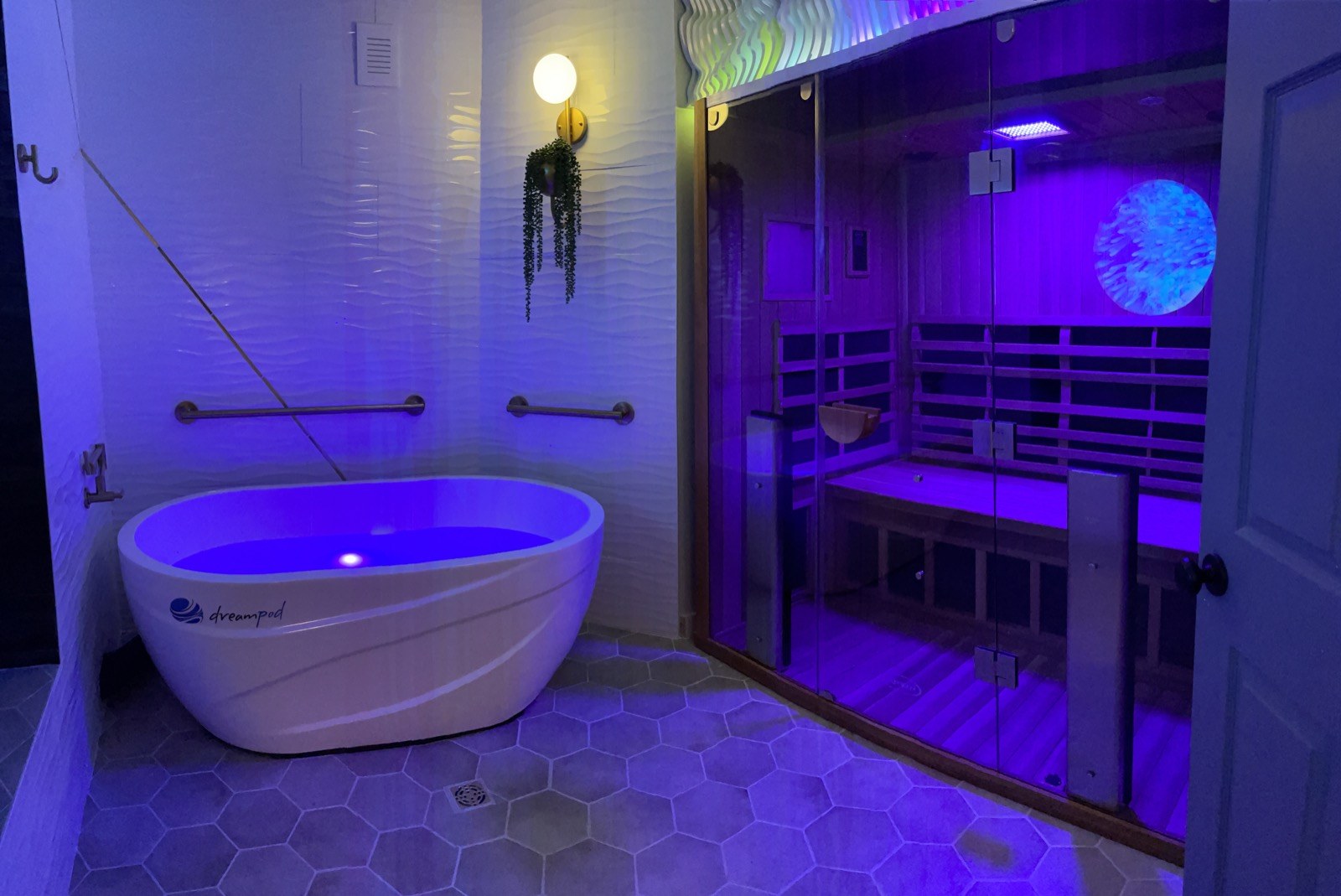
Contrast therapy isn't magic. It's a small, repeated stress that the body learns to handle, and the dividends, better circulation, faster recovery, a steadier nervous system, compound over time. If you've been curious, our contrast therapy room in Carrboro is set up specifically for this practice: a cedar sauna and a 51°F plunge, side by side, in a quiet space designed for the cycle.