Massage Benefits: Wellness with our Expert Therapists
Massage isn't a luxury, it's a recovery protocol. Our therapists on what changes after one session, three sessions, and why we built dedicated rooms for it.
The word "massage" comes loaded with the wrong associations. Spa music. A cucumber on each eye. Something you book for a birthday and feel slightly guilty about. We'd like to make a different case: regular bodywork is one of the highest-leverage recovery tools available, and the people who treat it that way, athletes, busy professionals, anyone managing chronic tension, get more out of it than the once-a-year crowd ever does.
What massage actually does
Therapeutic massage is a manual intervention on the soft tissue of the body, muscles, fascia, tendons. The mechanisms are well-documented:
- Reduces cortisol and increases parasympathetic activity. Your nervous system shifts out of fight-or-flight.
- Increases local circulation in worked tissue, clearing metabolic byproducts and bringing fresh blood in.
- Improves range of motion by releasing fascial adhesions and reducing protective muscle guarding.
- Lowers perceived pain. Research consistently shows massage reduces both acute soreness and chronic pain ratings.
- Improves sleep quality for most people the night of the session and the night after.
What changes, session by session
After one session
You'll likely feel two things, looser, and sleepier. The looseness is real but transient. The sleep benefit is the underrated one: most people sleep deeper that night than they have in weeks. Drink water. If you've come in with a specific spot, you may feel a little tender there for 24 hours.
After three sessions
This is where the work compounds. Chronic holding patterns that took years to build don't release in 60 minutes, but they do release across three or four sessions spaced two weeks apart. Members consistently report that around session three, they notice they've stopped clenching their jaw at their desk, or that their shoulders aren't living up by their ears anymore.
After a few months of regular work
This is the territory where massage stops being something you book and starts being part of how you maintain yourself. Recovery from training is faster. Old injuries quiet down. Sleep is better. The nervous system has a new baseline.
Choosing the right modality
The first conversation we have with new massage clients is about what they actually want.
- Swedish, long, flowing strokes. Best when the goal is parasympathetic shift and stress reduction. Lower pressure.
- Deep tissue, slower, focused pressure into the layer beneath. Best for chronic tension patterns. Not the same as "as hard as you can possibly press."
- Sports / therapeutic, more clinical, more diagnostic. Specific muscle groups, specific outcomes. Best for athletes and anyone working through an injury.
- Myofascial release, sustained pressure on fascial restrictions. Best when the issue is mobility, not muscle tightness.
- Prenatal, modified positioning and pressure for pregnancy. Different training, different considerations.
If you're not sure, tell your therapist what you're trying to accomplish, sleep, recovery, range of motion, a specific knot, and they'll choose the right approach.
How massage stacks with float, sauna, and contrast
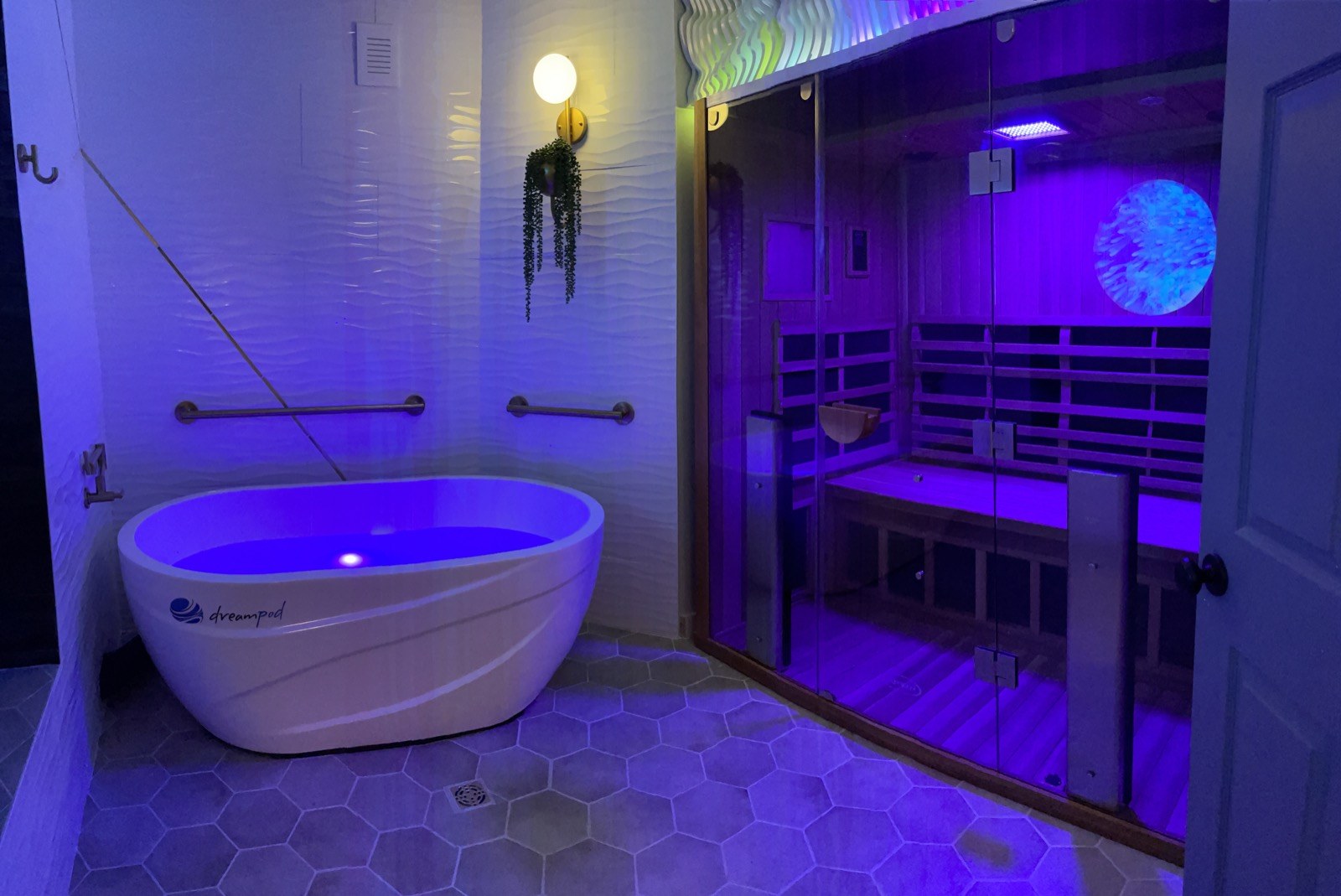
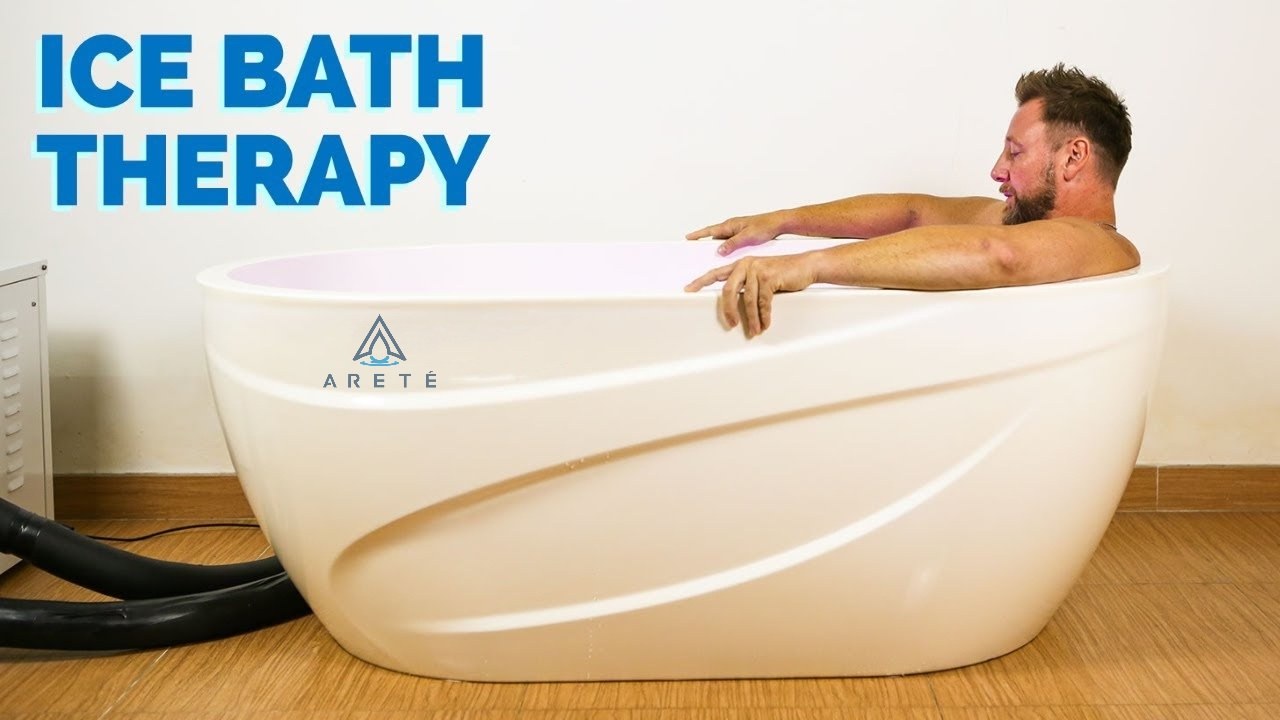
This is why we built Areté the way we did. Massage works on tissue. Floating works on the nervous system. Sauna works on circulation. Cold works on inflammation. Done together, they reinforce each other in a way that none of them does alone.
Members often pair a 60-minute session with a sauna or float on the same visit. The order matters: sauna or float first, then massage. Heat and weightlessness pre-soften the tissue, and the therapist can do better work in less time.
What our therapists want you to know
- Eat a small meal an hour or two before, not right before.
- Hydrate. Lymph is mostly water. Helping it move helps.
- Tell us about new injuries, surgeries, pregnancy, or medications. It changes how we work.
- Pressure should feel intense but never sharp. If it crosses into pain, say something.
- Book the next one before you leave. Cadence is more important than length.
Ready to book? See modalities and pricing, or book directly, and if you're not sure who to book with, call us. We'll match you with the right therapist for what you're working on.